Category: Psychotherapy

  • Psychotherapist vs. Counsellor: What’s the Difference?

    Psychotherapist vs. Counsellor: What’s the Difference?

    It can feel really confusing when you are looking to talk with someone – what is the difference between the two? Why should you choose one over the other? Is it just semantics and does it really matter?

    As neither psychotherapist nor counsellor is a protected term in the UK, many practitioners use the words interchangeably. However, psychotherapists undertake longer, more in-depth training than counsellors, usually a four year or longer Masters degree (in my case five years). This means that whilst psychotherapists also have the skillset to undertake counselling, it does not necessarily work the other way around.

    Psychotherapists are trained and experienced in working with complex, long-standing issues, patterns in reactions and behaviours, and getting underneath symptoms to what is driving them. Counselling may do some of this too, depending on the counsellor, but tends to focus less on long-standing ways of behaving and more on what is happening for you and how to cope with it.

    My training supports me to do both. Plus, as an integrative psychotherapist I work to adapt to you and your needs. Depending on what these are we may focus on your past including your childhood to understand how you became the person you are now. We may also look at who you are in the present, and who you want to be in the future. We work together to get you to where you want to be.

    If you are interested in finding out more, get in touch.
    • How to Ask for Help When it Feels Impossible

      How to Ask for Help When it Feels Impossible

      Do you sometimes feel that you could do with some help but just cannot reach out to ask?

      Or maybe you think ‘I am strong and independent, I have never needed anyone before, and I do not need anyone now’.

      It is possible that these thoughts have served you well up to now, but you have a niggling feeling that talking to a friend, sharing the load, and getting someone else’s view may be helpful. It could even be supportive, but you are not used to it and do not know how. Plus, what if they let you down?

      It is a leap of faith to ask for help. It can be scary. It can feel very vulnerable. But it can also be empowering, a way to get your voice back, and a way to build a support network that truly has your back and wants the best for you.

      So how do you ask?

      It can start small, perhaps talking with a friend about something that does not feel too vulnerable but on which you could do with a second view. Then trying again with the same or maybe a different friend and building from there.

      It will likely take a good while to change your behaviour and even longer to feel like you trust the person you are talking with to keep your confidences, but you can do it. One step at a time.

      If you would like to better understand why you find it hard to ask for help and to trust other people, we can explore this together.

      You can get in touch by contacting me below.

      • 4 Ways to Cope When it all Feels too Much

        4 Ways to Cope When it all Feels too Much

        I suspect we have all wondered this at some point. Just when you are already feeling up to your eyes with so much going on something else happens and you feel it is all getting on top of you.

        Are you the type of person who powers through, feeling that if you do not everything you are carefully juggling will come tumbling down around you? Or maybe you prefer ‘the ostrich’. Head in the sand hoping whatever it is will go away if you ignore it for long enough.

        Trouble is, these things do not tend to go away, and life does not get less busy.

        So, what can you do when things feel too much?

        1. Breathe

        Yes, seriously, breathe. Take a deep, slow breath focusing on a long outward breathe to help you pause and relax your body. There are many breathing exercises you can do but when overwhelmed just a deep, slow breath or two can work wonders.

        2. Exercise

        It is really easy for exercise to fall by the wayside when busy, but it is something that helps maintain our wellbeing and keeps us going through stressful periods. Even if you cannot get to the gym or that yoga class, doing ten minutes of something you enjoy at home can help.

        3. Fresh air

        A walk around the block to get some fresh air in your lungs can give you the space you need to move through some of the overwhelm. Walking in nature, even if it is just the small park nearby, can help even more.

        4. Talk to a psychotherapist

        Talking to a trained professional about what is going on can help you find clarity, identify coping strategies, and look at patterns underneath your behaviour to support you in the long-term.

        If you would like to talk to a psychotherapist you can contact me.

        • How Setting Boundaries Can Help You to Say No

          How Setting Boundaries Can Help You to Say No

          Do you have a hard time saying no?

          Does it sometimes feel like people constantly push you and you do not feel you can stop it happening?

          Maybe you want to be seen as helpful, eager to please, and prove yourself. Or maybe there is an underlying fear that if you do not make yourself indispensable people will forget about you.

          Often there can be links with growing up in a space where saying no was not possible and your boundaries were not respected.

          It can also be an outcome of domestic abuse, being manipulated and coerced, or physically abused so that you had to comply.

          The trouble is always saying yes can lead you to feeling run ragged, exhausted, and taken advantage of. You might wonder if anyone cares about you, especially as they do not make the same efforts you do.

          Setting boundaries can help. They are a way to work out what is ok for you, not only what is ok for others. They can help you take care of your energy and think through what expectations you have of others. However, it can feel really hard setting them and even harder enforcing them, especially when you are not used to it.

          If you would like to talk with some about your difficulties saying no and setting boundaries, and where this may stem from, please contact me.

          • Why I Can’t Meditate (And What You Can Do Instead)

            Why I Can’t Meditate (And What You Can Do Instead)

            I have never been able to meditate.

            ‘What?’ I hear you say. ‘I thought all psychotherapists practice and encourage quiet mindful contemplation, body scans, doing deep belly breathing, grounding etc’. Well, yes and no.

            You see, for me, an invitation to sit still and go into my body is one of the scariest things I can be asked to do. Closing my eyes at the same time? Hell, no! It just does not feel safe and never has done.

            If you feel similarly about meditation or other similar exercises, you may want to look up why meditation is a contraindicated for some people. But in case of doubt, you are not strange. I suspect that you are actually highly attunded to listening to your body’s cues.

            So no, if you are my client I will not make you sit there quietly trying to work out what is going on inside you. But yes, I may invite you to consider whether there is any messaging in your body that wants to be heard, and whether your body, brain, and heart are working together or against each other. This can be done in many ways and, if you want to, we will work out what way works for you rather than you being given a ‘right’ way out of a textbook, a training course, or from the latest influencer.

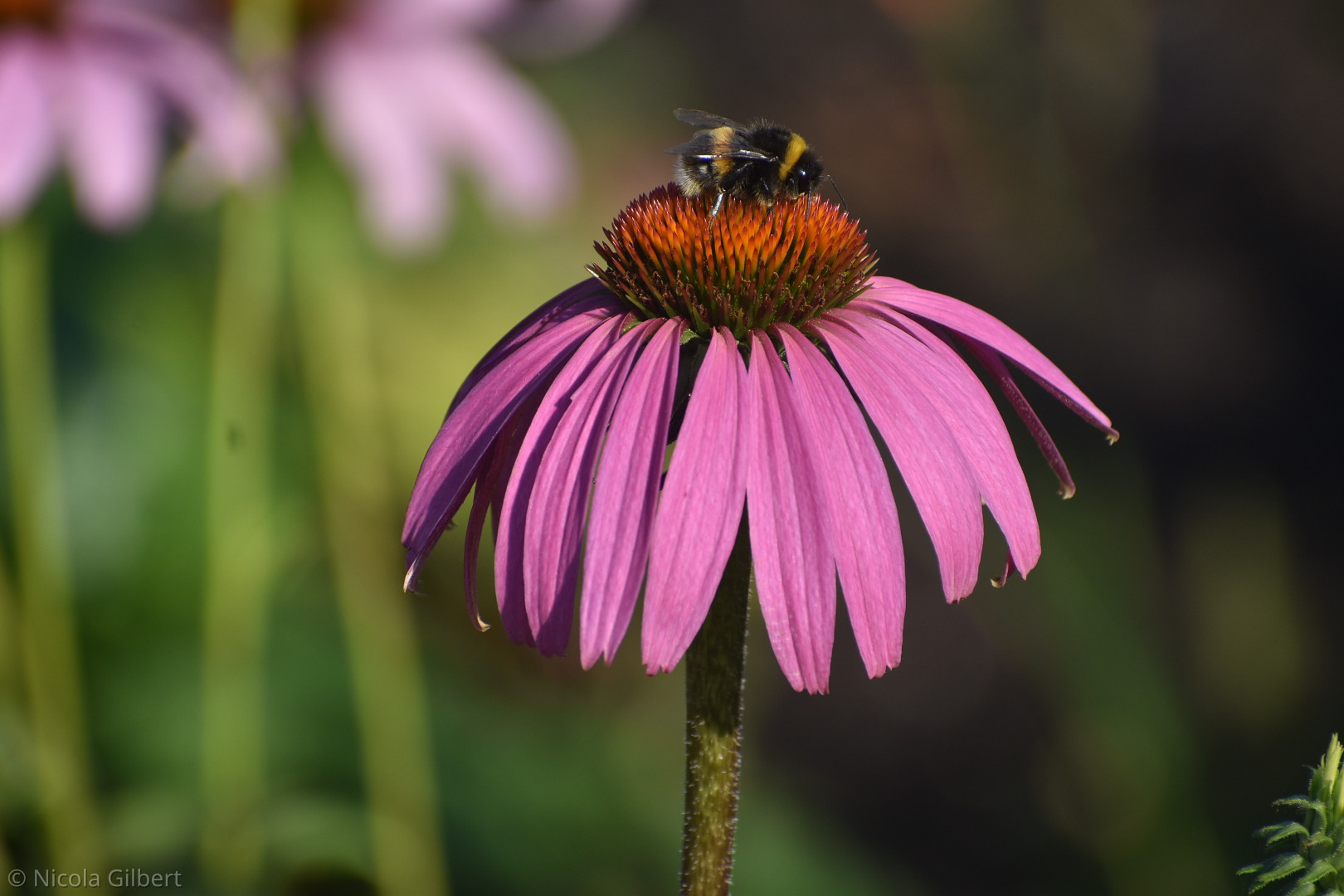
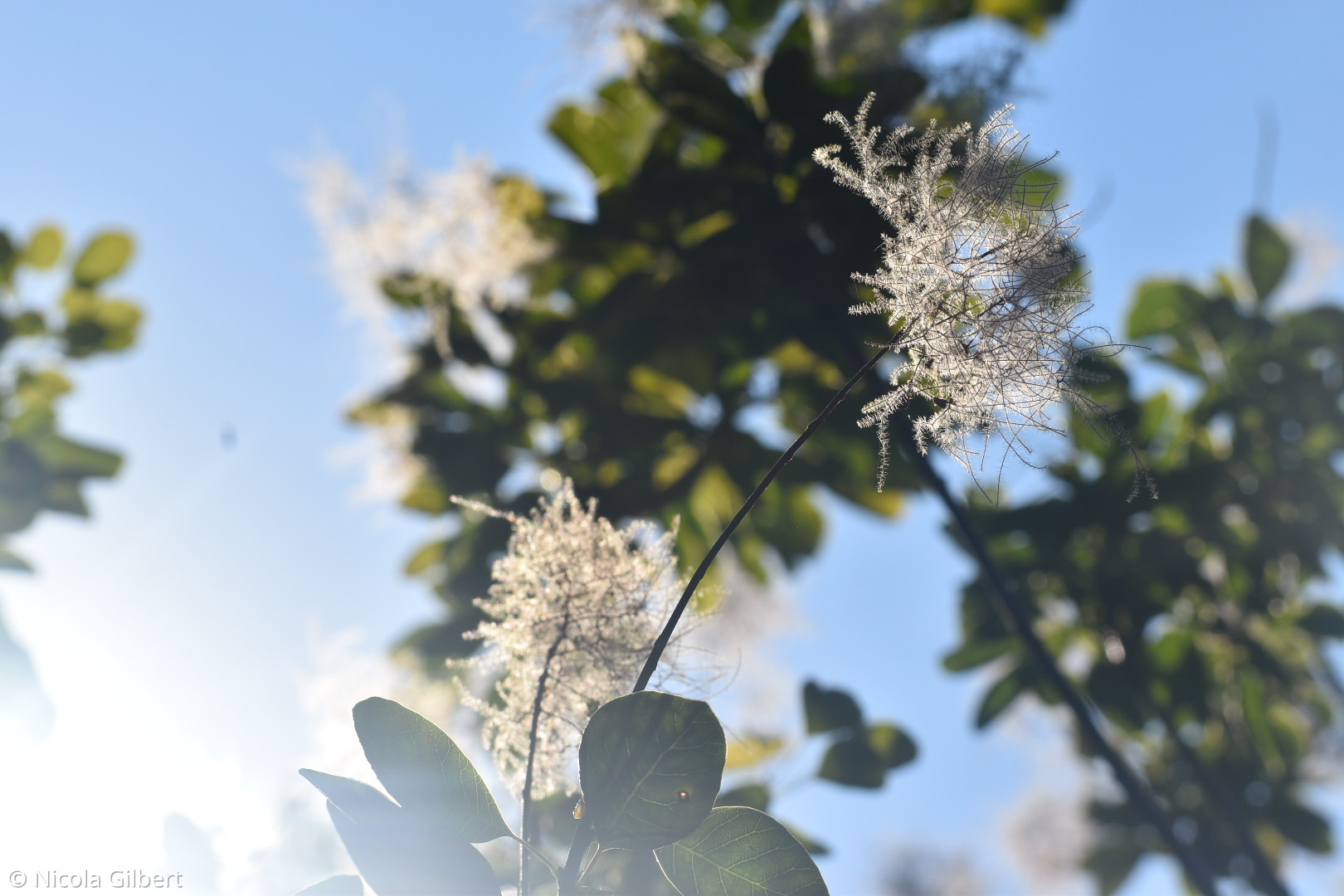
            For me, my meditative practice has nothing to do with the therapy room at all. In fact, I am at my most mindful and most connected body, brain, and heart when I am outside walking in nature with my phone camera at hand. Nature, flowers, animals, birds, whatever the time of year, in the local park or common – it all works for me. Focusing on taking a photo helps me calmly move from whatever is on my mind to how to capture the colour of the leaves, the personality of the robin looking at me, or the shimmering water in the pond.

            All the images on this website are mine taken on these walks.

            If you are interested in working with me to understand your responses to sitting quietly, to meditation and grounding techniques, or want to find out what form of mindfulness works for you, then please get in touch.